Build an App Like DoorDash: In the ever-evolving digital economy, the food delivery sector has emerged as one of the most lucrative and dynamic industries. With more consumers demanding convenience and flexibility, food delivery apps have become an indispensable part of modern life. In 2026, this sector continues to grow at an exponential rate, attracting entrepreneurs and businesses eager to tap into the demand.
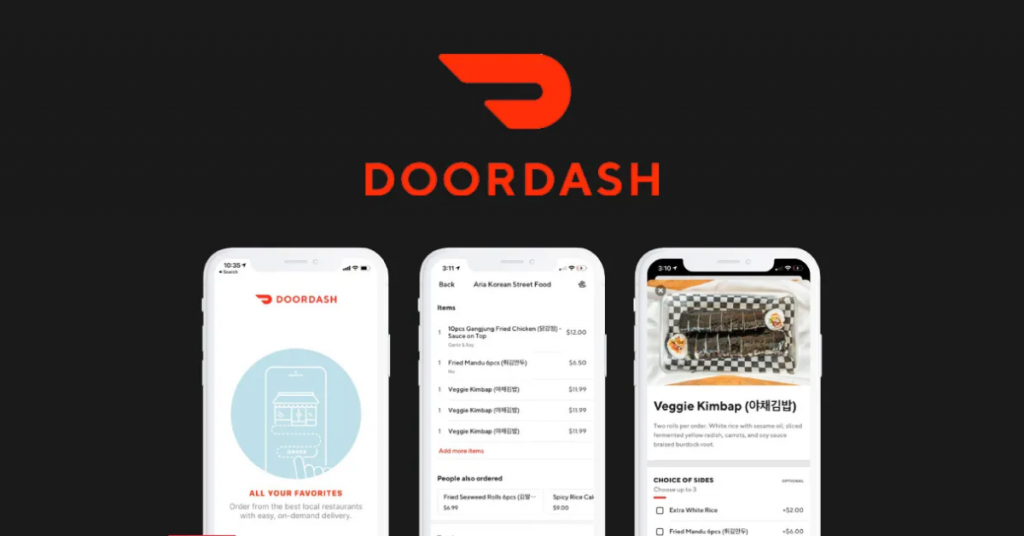
The food delivery giant DoorDash is worth more than $30 billion. Because it is so popular, the on-demand food delivery sector needs new ideas. But is there a method to build an app like DoorDash? Probably not. Why? There are problems with even the best food delivery services, and Doordash is no exception.
Did you know that 56% of people who use meal delivery apps think they don’t offer enough personalization? Or that 43% of users want more environmentally friendly ways of doing things? These aren’t simply numbers; they’re chances. You, as a forward-thinking entrepreneur, have the chance to make something that is not only competitive but also innovative.
In 2026, the food delivery business isn’t only about bringing food to people; it’s also about new ideas, accuracy, and giving customers more value. Don’t copy; come up with new ideas. Start a meal delivery app firm that fills in the gaps in DoorDash’s service and gives customers what they really want.
In this comprehensive guide, we’ll explore how to build an app like DoorDash in 2026—from understanding its business model and core features to selecting the right technology stack and estimating development costs. Whether you’re a startup, a restaurant owner, or an investor, this guide provides you with all the insights you need to develop a food delivery app like DoorDash.
What is DoorDash?
DoorDash is one of the most popular and commonly used apps for getting food delivered. In the US alone DoorDash holds a 67% market share. People may order meals through the DoorDash app and have it delivered directly from eateries to their homes.
DoorDash started in 2013 and has since become one of the greatest digital companies in the US. It offers flexible work hours and restaurant-quality meals all at the same time. Restaurants can serve more people, customers have more choices for where to eat, and millions of Dashers can make money by delivering food.
What DoorDash Can Do?
DoorDash has added a lot of other services to its food delivery business. Here are some more pickup and delivery services that DoorDash offers in the delivery and logistics space:
- Restaurant
- Grocery
- Retail
- Alcohol
- Flower
- Package
DoorDash does more than just deliver. Here are some more things they do:
DashPass is a subscription service that lets you get deliveries for free and lowers service expenses.
DoorDash Drive is a service that lets businesses use DoorDash drivers to make deliveries without having to list them on the main DoorDash app.
Merchant services: DoorDash gives businesses tools to handle their online orders and connects with point-of-sale systems.
Business solutions: Businesses can order meals and have them delivered to groups.
Payments that can be changed: Klarna lets DoorDash customers pay in installments.
Delivery by drone: In several places, pilot operations for drone delivery services have begun.
Business Model
DoorDash operates on a multi-sided platform model, which includes customers, delivery drivers (Dashers), and restaurant partners. It earns revenue through delivery fees, subscription services (like DashPass), and commissions from restaurants. The success of this model has made DoorDash a benchmark for businesses to develop a food delivery app like DoorDash.
DoorDash’s meal delivery business strategy is a three-sided marketplace, commonly known as the Y-structured business model. In this approach, three categories of users interact on a single platform. The DoorDash platform works for four different categories of users.
1. Admin: The admin is in charge of everything on the platform, including the restaurants, customers, and delivery people.
2. Restaurant Merchants: The merchants list their businesses on the app and connect nearby restaurants that deliver food to customers’ homes.
3. Customer: The customer is a key aspect of the company strategy because they buy things through the app.
4. Delivery Agents (Dashers): Dashers are delivery workers that can work when they choose and get paid well. The software makes it easy for agents to keep track of their deliveries and their work schedule.
Key Factors to Build a Successful Food Delivery App like DoorDash
A clean UI and a list of nearby eateries are not enough to make a meal delivery service stand out. To really dominate the market, your app needs to meet users’ needs and provide value in every encounter.
Here are four important characteristics that are important to build an app like DoorDash:
1. Quick Orders & Scheduled Deliveries
People want things to be easy to get to in today’s fast-paced society, especially when it comes to food. Ordering dinner online has become the go-to answer for people who have had a long day at work, are having company around, or just don’t want to cook.
To take advantage of this demand, your app like DoorDash needs to make it easy to place an order. This includes easy-to-use navigation, a quick checkout procedure, and short loading times. But that’s not all. Scheduled delivery, or the ability to order food ahead of time, is one of the most popular features among users. This gives consumers more freedom to schedule events, meetings, or even their regular routines.
With reputable, professional delivery people, clean and trustworthy restaurants, and delivery times that are always prompt, you have an app that makes people feel good and gets them to come back.
Main Benefits to develop a food delivery app like DoorDash:
- Better client satisfaction with delivery times that can change
- Pre-scheduling led to more orders during off-peak hours.
- Differentiating from simple meal delivery applications in a competitive way
2. Real-Time Tracking & Fleet Management
Being open and honest develops trust. Customers can see exactly where their meal is and how long it will take to get there with real-time GPS monitoring. This makes people less anxious and more involved because they often come back to check for changes.
Real-time tracking helps fleet managers plan the best routes, see how well drivers are doing, and see how long traffic is likely to be delayed. It helps companies make their delivery logistics work better, lower gasoline costs, and make drivers more efficient.
The system may also propose the optimal delivery routes depending on current traffic, weather, and how long it takes the restaurant to prepare food. This will make sure that deliveries are more likely to arrive on time.
Main Benefits develop a food delivery app like DoorDash:
- Transparency made customers more confident.
- Better control over logistics and managing delivery times
- Lower costs of doing business by optimizing routes
3. Seamless Online Payments
A smooth and safe payment process is one of the most important things that makes users happy and keeps them coming back. Users can pay the way they want by giving them a choice of payment methods, such as debit and credit cards, UPI, digital wallets (like PayPal, Apple Pay, and Google Pay), and even cryptocurrency.
More significantly, security is not up for debate. All transactions must follow PCI-DSS compliance rules, and encryption mechanisms must be used to stop fraud and data theft. Adding real-time fraud monitoring, tokenization, and multi-factor authentication can make the safety net even stronger.
You make checkout easier by making a payment system that is fast, varied, and safe.
Main Benefits develop a food delivery app like DoorDash:
- More conversions since there are more ways to pay
- Secure transactions built confidence with users
- Less cart abandonment and payment mistakes
4. Group Ordering Functionality
Food experiences today are often social. Users want to be able to simply arrange group orders for things like office lunches, weekend house parties, or family dinners.
With group ordering, several people can add things to a single cart from their own devices, which results in one order and payment. This function is quite useful in business or social settings because it makes it easy to keep track of everyone’s orders.
It also opens the door for group discounts, shared delivery fees, and loyalty benefits, which means your app is not only useful but also cost-effective and easy to use in groups.
Main Benefits to develop a food delivery app like DoorDash:
- Average order value per transaction is higher
- More involvement from user groups like teams, families, and events
- More social utility means that apps are more likely to stick around.
Basic Requirements to Develop an On-Demand Food Delivery App
Before launching a full-scale food delivery app like DoorDash, it’s essential to cover certain foundational aspects that shape a successful product. Below are the key steps to follow to build an app like DoorDash:
> Testing Your MVP Locally
Building a Minimum Viable Product (MVP) allows you to test core functionalities like user registration, restaurant listings, order placement, and payment processing with a limited audience. By launching your MVP in a smaller, local area, you can gather real-time feedback, address technical glitches, and refine features before expanding.
> Hiring Skilled Developers and Designers
Creating a robust, user-friendly, and scalable app requires an experienced team of UI/UX designers, mobile developers (iOS and Android), backend engineers, and QA testers.
> Giving Users a Sneak Peek (Beta Access/Demo)
Beta testing helps attract early adopters while offering real-world user insights. This approach allows for pre-launch buzz and word-of-mouth marketing, especially when beta testers are incentivized through rewards or exclusive discounts.
> Gathering and Applying User Feedback
User feedback is crucial to improving functionality, fixing bugs, and enhancing the customer experience. Use surveys, app store reviews, and in-app feedback options to understand what your users want. Data-driven feedback loops fuel continuous improvement and user satisfaction.
Food Ordering App Models Available in the Market
Choosing the right business model is essential when you set out to develop a food delivery app like DoorDash. Let’s explore the most popular models:
> Aggregator Model
It is based on the usual way that food is delivered. This concept has a third-party system that takes care of both clients and eateries. As a third party, food delivery service aggregators make it easier for restaurants to get the food they need. In the meantime, users can look through different menus, reviews, and ratings on the app and place an order when they sign up. The aggregator will provide the restaurant the order data and confirmation. The restaurant will handle the transmission and execution of the order after it has been received. Customers might not have to pay for the added benefit.
Example: Grubhub (in its original form)
Best for: Businesses with existing restaurant partnerships and low logistics overhead.
> Logistics Support with Interface
This method is different from the composite model because it has included strategic support for all of its partner restaurants. This delivery approach gives a lot of money to new businesses that don’t have their own money or can’t deliver over big distances. From the restaurant’s point of view, this kind of model has a lot of benefits and makes it easier to handle difficult tasks like managing service staff, equipment, and shipping. UberEats and Swiggy are two of the newest forms of food delivery systems.
Example: DoorDash
Best for: Businesses aiming for full-stack control and customer satisfaction.
> Full-Stack Food Delivery Model
This comprehensive model includes everything from food preparation to delivery. Businesses using this model either operate their own kitchens or collaborate with cloud kitchens to maintain complete control over the customer experience.
Example: Rebel Foods, CloudKitchens
Best for: Entrepreneurs looking for vertical integration and higher margins.
Must-Have Feature List for an App Like DoorDash
A successful food delivery platform has dedicated interfaces for each user type—customers, restaurants, delivery personnel, and administrators. Here’s a breakdown of must-have features when you build an app like DoorDash:
> Customer App Features
The Customer App is the most important to build an app like DoorDash. It should be easy to use, quick to respond, and full of features that make things easier and give you more control. Every tap should bring the user one step closer to their meal, whether they are ordering lunch at work or planning a late-night binge.
1. User Registration & Profile
Quick sign-up using email, mobile number, or social accounts ensures a frictionless start. Users can manage personal details, saved addresses, and preferences in their profile.
2. Search & Filter Restaurants
Powerful search functionality with filters for cuisine types, user ratings, delivery time, price range, and dietary preferences helps users find exactly what they’re craving.
3. Restaurant Menus & Categories
Visually appealing, categorized menus with clear pricing, dish descriptions, and images create a better decision-making experience.
4. Place Orders & Schedule Deliveries
Users can either order immediately or schedule deliveries for a specific time—ideal for meetings, dinner plans, or weekend treats.
5. Real-Time Order Tracking
Live GPS tracking shows users exactly where their order is—from restaurant prep to doorstep delivery.
6. Order History
One-tap reorder from previous meals makes repeat purchases seamless and fast.
7. Multiple Payment Options
Integration of credit/debit cards, wallets (PayPal, Apple Pay), UPI, and even Buy Now, Pay Later (BNPL) options like Klarna or Afterpay improves flexibility.
8. Ratings & Reviews
Customers can rate their food and delivery experience, offering valuable insights for other users and feedback for vendors.
9. Customer Support Chat
Built-in chatbot for FAQs and live chat with customer support helps resolve issues instantly without exiting the app.
> Restaurant App Features
The Restaurant App gives suppliers the tools they need to quickly handle orders, change their menus, and keep in touch with customers. This feature is important to build an app like DoorDash. The idea is to give real-time control and visibility, whether it’s a single kitchen or a chain of stores.
1. Login & Profile Management
Secure login for restaurant owners or managers, with options to edit business info, hours, images, and cuisine tags.
2. Menu & Inventory Management
Add new dishes, update pricing, upload pictures, and track ingredient availability to prevent missed orders due to stockouts.
3. Order Management Dashboard
A consolidated view of incoming, ongoing, and completed orders with time tracking to improve turnaround time.
3. Push Notifications
Instant alerts for new orders, cancellations, and customer chats help staff stay on top of real-time changes.
4. Promotions & Coupon Setup
Run special discounts, loyalty deals, or happy hour promos to attract more customers directly from the dashboard.
5. Payment Tracking & Reporting
Detailed insights into sales, commissions, daily earnings, and transaction breakdowns streamline accounting and planning.
> Delivery Personnel Features
The Delivery Partner App makes sure that riders or couriers have everything they need to make deliveries quickly and safely. These features when you build an app like DoorDash should help you get things done by cutting down on guesswork and helping you get around the city.
1. Rider Registration
A simple onboarding process with ID verification, background checks, and profile setup ensures security and compliance.
2. Accept/Manage Orders
Riders can toggle availability, receive order notifications, and accept or reject delivery requests based on proximity and capacity.
3. Order Status Updates
Real-time status toggles—picked up, in transit, delivered—keep everyone in the loop: customers, restaurants, and admins.
4. In-App Navigation & Route Optimization
Integrated maps with live traffic and route optimization for faster deliveries and fuel savings.
5. Payment Tracking
View earnings by day, week, or month, including tips and bonuses. Transparent breakdowns help riders manage their income better.
6. Delivery History Logs
Access to completed deliveries, timestamps, and delivery ratings supports performance tracking and dispute resolution.
7. In-App Calling & Messaging
Secure communication tools allow riders to connect with customers or support without revealing personal contact details.
> Admin Panel Features
Your food delivery platform’s Admin Dashboard is where you manage everything. It manages everything, from onboarding vendors and tracking consumer activity to payment processing and tech support, to make sure everything runs smoothly and the firm can grow.
1. Admin Login & Dashboard
A centralized portal with KPIs, user insights, app analytics, and real-time activity logs for informed decision-making.
2. Restaurant & Delivery Partner Management
Easily approve new vendors or riders, monitor their performance, and manage their availability or account status.
3. Application Settings & User Control
Fine-tune the behavior of the app, update privacy policies, terms, interface layouts, or feature toggles—all from one place.
4. Order Monitoring & Escalations
Live tracking of all orders across the platform with escalation controls in case of delays, complaints, or cancellations.
5. Payment & Commission Management
Define platform commission rates, process vendor payouts, track invoices, and handle tax documentation.
6. Promotions & Discount Code Management
Launch system-wide offers, push promo codes, and control loyalty programs to boost engagement and customer retention.
7. Technical Assistance Interface
A ticketing and issue-tracking module for internal teams to troubleshoot user problems, bugs, or operational hiccups quickly.
Advanced Features to Stand Out in 2025
To beat the competition and provide next-level convenience, app like DoorDash need to go beyond the basics. Here are the top advanced features of build app like DoorDash to consider in 2025:
AI-Powered Search & Personalized Recommendations
Machine Learning algorithms analyze user preferences, browsing history, and purchase behavior to offer highly personalized restaurant suggestions and dishes. This increases user engagement and boosts conversion rates.
Real-Time Tracking with Live Map
Modern consumers expect precise, real-time tracking of their food orders. Live map integration powered by Google Maps API or Mapbox gives customers visual updates on their delivery’s status, enhancing transparency and trust.
In-App Voice & Chat Support
Voice assistants and chatbot support can resolve common issues, guide users through the ordering process, and even suggest meals. AI-powered NLP tools like Dialogflow improve user satisfaction and reduce support costs.
Scheduled Orders and Multi-Restaurant Checkout
Let customers pre-schedule orders for birthdays, meetings, or events. Additionally, enable them to order from multiple restaurants in a single checkout for maximum flexibility—especially useful for group orders.
Contactless Deliveries with Drop-Off Instructions
As hygiene remains a top priority, especially post-pandemic, allow users to opt for contactless delivery. Features like door instructions or photo confirmation enhance safety and convenience.
AI-Based Dynamic Pricing
Use AI to analyze demand surges, weather patterns, and delivery distance to implement real-time pricing adjustments. This optimizes revenue and keeps delivery supply aligned with customer demand.
Driver Route Optimization and Shift Planning
AI can also help delivery agents by optimizing routes, reducing delivery time, and suggesting best zones based on peak hours. Shift scheduling algorithms help riders maximize earnings while improving platform efficiency.
Technology Stack for a DoorDash-Like App
The right technology stack ensures your food delivery app is fast, secure, scalable, and easy to maintain. Below is a suggested stack:
| Component | Recommended Technologies |
| Frontend | Flutter / React Native (cross-platform for Android & iOS) |
| Backend | Node.js / Django / Ruby on Rails |
| Database | PostgreSQL / MongoDB |
| Real-Time Updates | Socket.IO / Firebase Realtime Database |
| Maps & Navigation | Google Maps API / Mapbox |
| Payment Gateways | Stripe / Razorpay / PayPal / Braintree |
| Notifications | Firebase Cloud Messaging / OneSignal |
| Authentication | OAuth 2.0 / Firebase Auth |
| AI Integration | TensorFlow / OpenAI / Dialogflow |
| Cloud Hosting | AWS / Google Cloud Platform / Microsoft Azure |
| DevOps Tools | Docker / Jenkins / Kubernetes |
A modular, microservices-based architecture is highly recommended to keep each app component (such as ordering, payments, delivery tracking) independently scalable.
How Much Does It Cost to Build an App Like DoorDash?
The cost to build an app like DoorDash in 2025 can vary widely depending on your goals, features, development region, and the experience of your app development partner. Here’s a breakdown on DoorDash app development cost:
Estimated Development Costs
| Feature Complexity | Approx. Cost Range (USD) |
| Basic MVP Version | $30,000 – $50,000 |
| Medium-Scale App | $60,000 – $90,000 |
| Full-Featured Platform | $100,000 – $150,000+ |
Cost Factors to Consider:
- Number of platforms: Building for both iOS and Android increases costs.
- UI/UX Design: Custom interfaces require more time and cost than prebuilt templates.
- Backend Complexity: Real-time features, admin panels, and analytics tools add to the scope.
- Third-Party Services: Payments, maps, chat support, etc., often require licensing or usage-based fees.
- Security & Compliance: Securing data with encryption, GDPR, and PCI-DSS compliance adds development effort.
Working with an experienced food delivery app development company like A3Logics to build an app like DoorDash can help you balance quality and cost while accelerating time to market.
Choose A3Logics for Building an App Like DoorDash
Choosing the right development partner is critical to the success of your food delivery platform. A3Logics, a leading App Development Company, brings deep domain expertise, agile processes, and a highly skilled team to turn your vision into a scalable, market-ready app.
Why A3Logics?
- End-to-End Development Services: From wireframing and prototyping to launch and maintenance, A3Logics handles every phase of your app journey.
- Customized App Solutions: We don’t believe in one-size-fits-all. Your app is built around your unique business model, audience, and goals.
- AI & ML Integration: Leverage personalized recommendations, route optimizations, and dynamic pricing with A3Logics’ advanced AI capabilities.
- Cross-Platform Expertise: Our developers use Flutter and React Native to build cost-effective apps for both Android and iOS users.
- Robust Security Measures: A3Logics ensures top-tier security and regulatory compliance, especially important in payment and user data handling.
- Agile Development & Rapid Deployment: We follow Agile practices, allowing flexibility and transparency throughout the project lifecycle.
- Proven Track Record: Trusted by startups and Fortune 500s alike, A3Logics has successfully delivered 500+ apps across industries.
Conclusion
The food delivery ecosystem is booming, and an app like DoorDash has set the bar high for convenience, user experience, and profitability. In 2025, the bar is even higher, with customer expectations driven by AI, real-time interactions, and personalization.
If you’re planning to build an app like DoorDash, success hinges on:
- Choosing the right business model.
- Prioritizing user-centric features and real-time capabilities.
- Investing in a solid tech stack and skilled development team.
- Adopting advanced technologies like AI, ML, and predictive analytics.
To build an app like DoorDash costs a lot of money, but it’s also a way to invest in your future success. Finding the right balance between quality and money is the key. It’s easy to want to take shortcuts, but always remember that the user experience, performance, and security of your app are very important for getting and keeping consumers.
To be successful, you need to carefully plan your budget and think about how each cost will provide value to your app in the long term. And don’t forget that innovation is important, so look for methods to make your service better.
So, if you want to know how to build an app like DoorDash, the easiest method to save money in DoorDash app development cost is to work with the top app development firm. This will help you keep track of pricing and features so you can make an app that stands out in a crowded market like DoorDash. Now it’s your turn!