
Agriculture produces an adequate amount of food for the population and supports the livelihoods of those involved. Machine learning in agriculture strengthens this foundation by helping farmers make data-driven decisions. The question is – how?
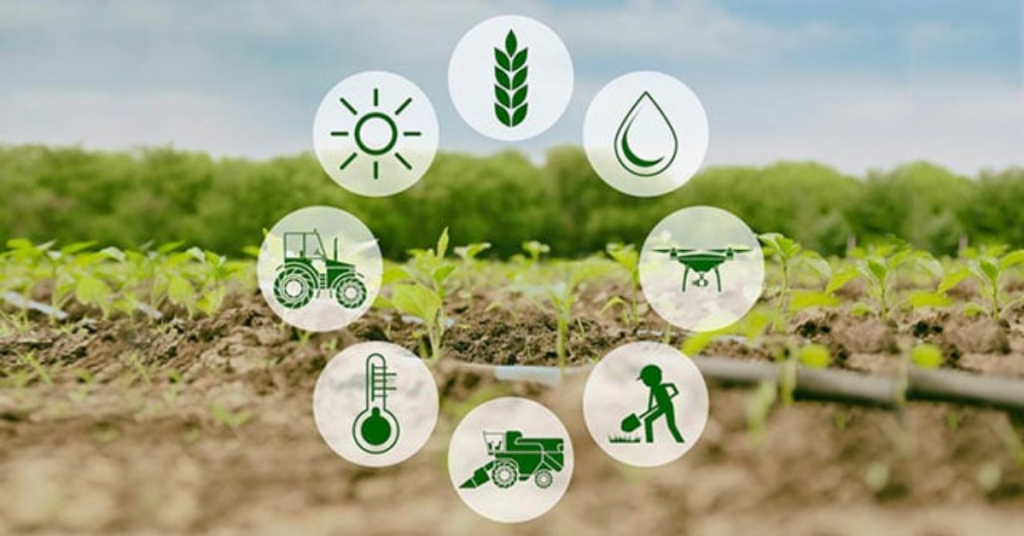
The manual farming methods rely heavily on guesswork, which leads to resource spillage. This often leads to overuse of fertilizers, water, and pesticides. Also, this further degrades soil health and harms the environment since chemical residues accumulate, hampering soil fertility.
The data-driven applications, on the other hand, analyze soil nutrients, weather patterns, and crop health accurately. This helps farmers make informed decisions about irrigation, pest control, and fertilization. By predicting outcomes and optimizing inputs; ML helps increase productivity and minimize waste, while also preserving environmental health. In this blog, we’ll discuss how intelligent systems are changing every aspect of agriculture.
How Machine Learning is Transforming Agriculture? Key Drivers
Machine learning tools, powered by farming technologies, satellite-based data collection, and affordable IoT based smart water management system, are transforming agriculture. These tools generate vast datasets that machine learning models analyze to make informed decisions. These optimize fertilizer use, in addition to optimizing irrigation, and pest management. Additionally, predictive analytics helps find out diseases early and helps forecast yield.
Machine Learning in Agriculture: Market Overview & Growth Statistics
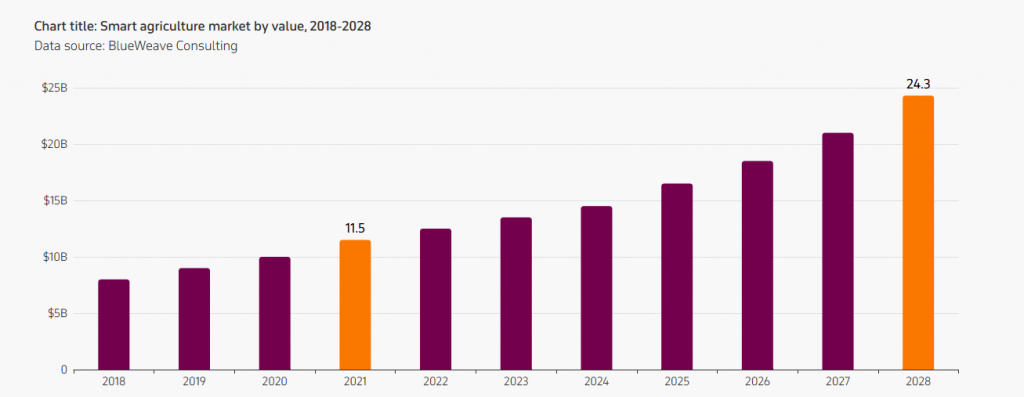
- The global agritech market is valued at over $26 billion. It is expected to reach $72.1 billion by 2035.
- 60% of large farms worldwide are expected to adopt AI-powered precision agriculture technologies.
- Machine learning is forecasted to account for 47% of the market share among AI technologies.
As per a study, ML-based farming helps increase crop yield by 20%, minimize water consumption by 15%, and reduce pesticide costs by $5000 per year.
Top 13 Machine Learning Use Cases in Agriculture
Let’s explore some of the key machine learning use cases in agriculture to see how machine learning can enhance crops, soil, water, and livestock management-
A. Crop Management
1. Weed detection using image recognition
Machine learning in agriculture makes use of computer vision to help farmers identify only the plants and areas that need herbicide treatment to remove weeds. This way, they can increase yield, reduce plant diseases, and still cause minimal environmental damage.
2. Crop disease detection and prevention
Another machine learning use cases in agriculture is how ML in agriculture applications is used to detect diseases. The applications assess the health of individual crops and soil. The farmers can selectively apply pesticides to only plants that are sick; instead of manually inspecting fields and looking for signs of diseases in every crop.
3. Yield prediction using predictive models
Machine learning models for agriculture analyze complex datasets such as weather patterns, soil patterns, crop characteristics and many more. Post analyzing, they identify hidden relationships among these factors. Using these insights; farmers can predict yield accurately and choose the right crops.
4. Selective breeding for improved crop quality
Machine learning helps in selective breeding by going through large amounts of plant and genetic data to identify traits that lead to better crops. It analyzes this data to find patterns linked to disease resistance, yield, and climate tolerance to develop high-performing crop varieties. This capability helps ML predict which plant varieties will perform best. This capability helps ML find out the plant varieties that will perform best.
B. Water Management
5. Smart irrigation systems
Machine learning algorithms analyze factors such as; soil type, weather and plant type to predict how much water is needed by a crop. Using this information; farmers can automatically adjust irrigation schedules and use water resources more efficiently.
6. Leak detection in pipelines
Systems such as soilless systems and drip irrigation can resolve water shortage but may not be as successful in detecting leaks in pipelines. By combining IoT devices such as IoT-based smart water management systems, computer vision, and ML in agriculture, it is possible to detect leaks and irregularities in irrigation systems. Using ML, these can be rectified before the issues escalate.
7. Weather monitoring and rainfall prediction
Machine learning collects data on factors such as – temperature, precipitation, soil moisture levels, wind speed and direction; helping farmers save resources. They can methodically water their crops and reduce the risk of crop damage from flooding or drought.
C. Soil Management
8. Fertilizer optimization using ML models
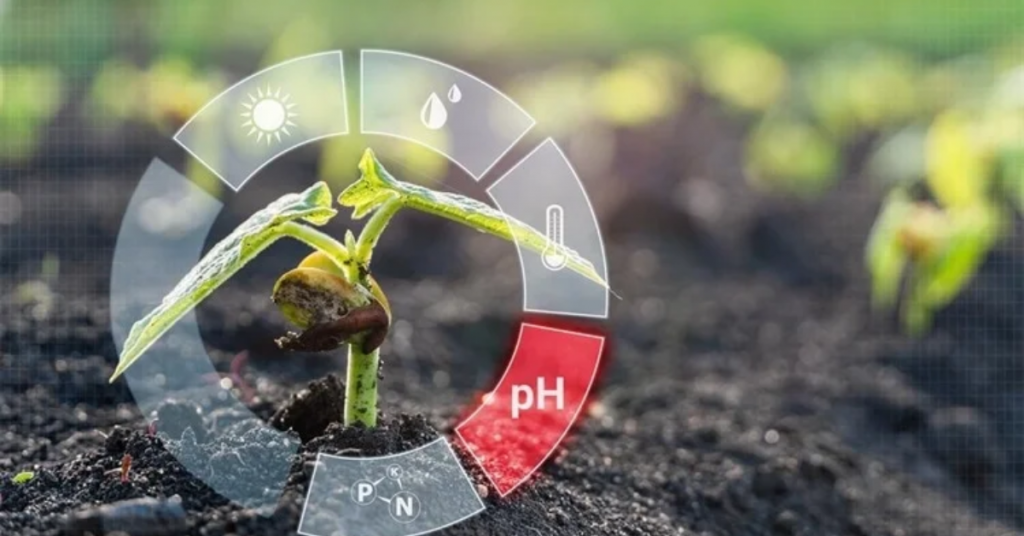
With the use of ML in agriculture, farmers can analyze data from factors like – soil type and weather conditions, and predict how much fertilizer will give optimal output. Not just that, they can adjust the amount of fertilizer applied to crops automatically.
9. Real-time soil health monitoring
Machine learning algorithms monitor several factors such as plant type, weather data, and soil type to give farmers real-time information about when to irrigate crops and how much water to use.
10. Insect detection and pest control
Using technologies such as computer vision and analyzing data from sensors placed in fields, farmers can quickly identify pest infestations. Furthermore, they can also ascertain other factors such as humidity, temperature and other considerations that may affect insect activity.
D. Livestock Management
11. Early detection of animal diseases
Another use case of computer vision in machine learning in agriculture is its ability to detect animal diseases. Computer vision helps continuously analyze images and videos of animal behavior, based on which, it can be determined if they are healthy or sick.
12. Feed optimization and tracking
ML-based applications can be used to keep a track of an animal’s feeding habits. Farmers can check if animals are fed adequately, or if there are any signs of health issues. They can also monitor the impact of different volumes, and types of food on the metabolism of animals.
13. Grazing pattern analysis and control
Both inadequate and overgrazing can be harmful. Where inadequate grazing can reduce pasture quality, overgrazing can lead to land degradation and soil erosion. When using machine learning for smart farming; farmers, and ranchers can make informed decisions about how long the animals should graze and when to move them, especially in areas where vegetation is thinning or soil is drying faster.

Core Machine Learning Technologies Used in Agriculture
ML comprises several intelligent technologies that help it adapt to all kinds of farming conditions. Here, we are going to discuss some of the key technologies that enable smart farming practices –
> Predictive Analytics
As a subset of machine learning in agriculture; predictive analytics can help farmers forecast the likelihood of future events. For instance; farmers can prepare for rainfall variability, determine the optimal time for sowing and harvesting, optimize fertilizer applications, and do much more.
> Computer Vision
Machine learning for smart farming is inclusive of computer vision. It’s a technology that helps interpret visual data from various sources such as field cameras, drones, and satellites. It can, further, help detect crop diseases, monitor plant health, assess soil quality, etc. By analyzing images in real-time; computer vision also enables precision farming, eventually reducing manual labor.
> Deep Learning
In agriculture; deep learning uses layered neural networks to make smarter decisions like predicting crop yields well in advance. It also detects pests and diseases before they spread, ensuring efficient irrigation by analyzing weather and soil conditions. In the process; it supports the development of strong crop varieties that can adapt to climate change.

Common Machine Learning Models Used in Agriculture
Machine learning models for agriculture are changing how farmers optimize farming practices and how they analyze and predict future agricultural outcomes. Here, we are going to have a look at some of the common machine learning models in agriculture –
> Regression models for yield estimation
Using the regression model, ML in agriculture applications helps farmers make wiser choices in agriculture. It predicts the price of agricultural commodities, crop yields, and demand for agricultural products.
> Clustering for smarter agricultural insights
This machine learning model in agriculture groups similar data points. This helps find out hidden patterns in agriculture. For example; the model can be used to categorize crops and soil types with similar characteristics. Farmers can use this to identify patterns and trends and choose the right crops. They can also ascertain the right treatments for each type of soil.
> Bayesian models for improving predictions
Bayesian model updates historical knowledge with new data to improve predictions. Using this approach in agriculture; it integrates historical data with current field data and helps assess risks, estimate crop yields, and detect diseases.
> Artificial Neural Networks (ANN) for image and pattern recognition
Neural networks can spot data patterns, that are too complex for manual analysis. Through drone imagery or satellite imagery; the models help monitor crop health, identify crop diseases, classify plant species, and perform many other tasks.
Benefits of Machine Learning in Agriculture
1. Mitigating environmental risks
One of the benefits of ML and AI in agriculture; is that it helps remove environmental risks by guiding farmers to use fertilizers, water and pesticides only when and where they are required. What this does is that it prevents excess chemicals from seeping into soil and water, and reduces greenhouse gas emissions from over-fertilization.
2. Saving time and labor through automation
Machine learning saves manual work by automating tasks such as – irrigation, monitoring and pest detection. As a result; farmers no longer need to inspect every field manually, instead, alerts and data updates tell exactly what needs attention.
3. Improving crop yields and production efficiency
Advanced models forecast crop yields; by analyzing historical weather patterns, soil data and satellite imagery. The data helps determine the exact amount of water, pesticides, and fertilizer needed for particular areas.
4. Reducing operational and resource costs
Machine learning helps cut costs by showing how much fertilizer, water and pesticide is needed by each field. This way, it prevents overspending and reduces labor and fuel use. It helps data backed decisions such as spraying, irrigation and planting. This helps lower operational expenses and boost profitability since resources aren’t wasted.
5. Enhancing decision-making accuracy
By finding out data patterns from drones, sensors, and historical records, machine learning enables accurate predictions for crop yields, pests and disease outbreaks. This results in sustainable farming practices that can help increase productivity.
6. Providing personalized farming insights
ML algorithms analyze aspects like soil, weather, and crop data, and provide tailored advice on when to plant, irrigate, and fertilize. This cuts down resource wastage and enhances productivity while ensuring sustainable practices.
7. Building climate change resilience
Machine learning for smart farming analyzes long-term weather data to predict floods, droughts, or shifting rainfall patterns that can impact the crop cycles negatively. Using the findings; farmers can adjust their crop choices, plant schedules, and water usage in advance.
8. Protecting biodiversity and natural resources
Data-driven technologies help farmers understand how their actions impact the environment. They reveal when soil needs rest, when water use is becoming excessive, and when land is losing balance. By guiding timely corrections; these systems preserve biodiversity and protect natural resources from long-term degradation.
9. Improving overall food quality and safety
Machine learning improves food quality by continuously studying how crops respond to change in soil, water, and climate conditions. It detects early signs of nutrient loss or pest infestation and recommends precise corrective steps; ensuring cleaner, healthier, and more nutrient-rich produce that meets safety standards.
Why Choose A3Logics for Machine Learning Solutions in Agriculture?
If you wish to modernize your farming operations, optimize resources, and drive sustainable growth as a business, A3Logics can be your trusted technology partner. With our AI Development Services; we help agribusinesses unlock data intelligence, automate decision-making, and achieve measurable efficiency across the agricultural value chain.
> Expertise in AI & ML model development for agriculture
A3Logics brings technical expertise in creating intelligent models customized for real-world farming. As a leading ML Development company, we design algorithms that detect crop diseases, and manage resources.
> Proven experience in data-driven agritech projects
We have a record of delivering advanced agritech solutions that transform raw farm data into actionable insights. From precision irrigation to soil analytics, our data engineering expertise make operations accurate, leading to higher output, and lower input costs.
> Custom solutions development for crop, soil, and livestock management
A3Logics builds tailored platforms that monitor crop health, soil fertility, and livestock performance with real-time analytics. Through our Agritech software development services, we create integrated solutions that combine IoT, cloud, and AI capabilities enhance farming operations both in terms of productivity and sustainability.
Stay Ahead of the Competition with ML-Powered Agriculture Solutions
Machine learning provides a significant competitive advantage across all areas of farming operations. Predictive analytics forecasts market trends and yields early; helping farmers and agribusiness owners plan production and pricing. Advanced weather and soil models optimize fertilizer and irrigation use, protecting crops before damage occurs. With real-time monitoring, businesses can optimize their supply chain operations and ensure timely delivery, as well as minimize resource wastage.
The Final Word
Machine learning provides a competitive advantage across all farming areas. Predictive analytics lets forecast market trends and yields early; helping farmers and agribusiness owners plan production and pricing. Advanced weather and soil models optimize fertilizer and irrigation use, protecting crops before damage occurs. With real-time monitoring, businesses can optimize their supply chain operations and ensure timely delivery.