Are you looking for an automated way to connect with your target audience? How about implementing machine learning in marketing?
This approach keeps you way ahead of the curve and is helping brands around the world connect with their customers. If you are thinking about how, then it all happens with the data generated by consumers. The marketers today are able to analyze the respective data through machine learning and move further.
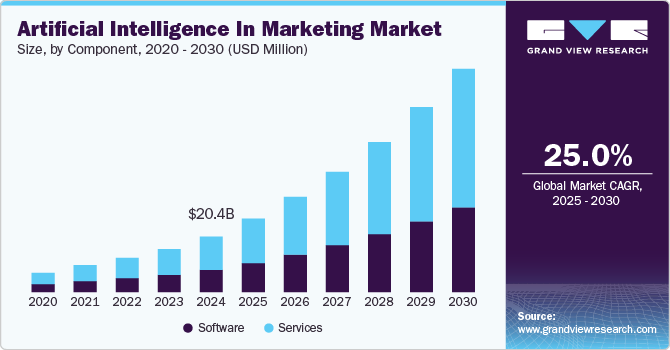
This way, the entire marketing strategy gets as per the customer behaviour and the chances of conversion also gets better. Due to this rising demand we see a rapid rise in the market of AI and machine learning in marketing at a CAGR of 25% from the year 2025 to 2030.
If you are thinking about making an investment here, then we are here to help you with all the knowledge. Let’s take a deeper dive into the personalized experiences through ML in marketing.
How Machine Learning is Transforming Marketing
By allowing data-driven decision-making, automating mundane chores, and providing hyper-personalized experiences, machine learning is transforming marketing. Marketers may now examine consumer behaviour on a detailed level, find hidden trends, and forecast future behaviors with great precision.
Including a recommendation engine into an e-commerce system, for instance, enables real-time, tailored product recommendations. This improves the buying experience as well as the chances for cross-selling and upselling. While dynamic pricing strategies change offerings depending on demand and consumer characteristics, ML-powered chatbots give immediate assistance. Over time, these AI-driven projects expose fresh insights and always enhance marketing results.
Machine learning in marketing reduces complicated goals so that marketers may concentrate on strategy and creativity. ML reveals deeper insights into customer behavior, tastes, and developing trends by fast analysis of large amounts of data.
Market Overview of Machine Learning in Marketing
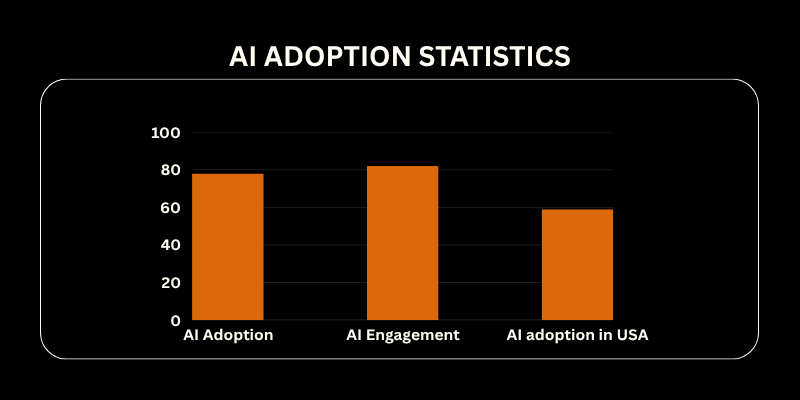
The addition of machine learning in marketing is fast catching on. With a CAGR more than 25%, recent forecasts indicate the worldwide market for artificial intelligence in marketing would top $100 billion by 2028. More than 90% of marketing companies are either utilizing or intending to include ML and artificial intelligence in their plans.
This surge is driven by:
- Digital data’s exponential expansion.
- The demand for real-time individualization.
- Improvements in cloud computing and ML techniques.
- The need for campaign optimization and quantifiable return on investment.
To assist include these technologies into their marketing activities, businesses are looking more and more for AI Development Services. Consequently, the scene is changing from conventional, intuition-based marketing to one that is quite mechanized and data-driven.
Use Cases of Machine Learning in Marketing
Machine Learning for Marketing offers a wide array of powerful applications that are transforming how businesses engage with customers and optimize their strategies. Here are some of the most impactful use cases:
1. Customer Segmentation and Targeting with ML
ML algorithms can analyze demographic, behavioral, and transactional data to identify distinct customer segments. This enables marketers to tailor campaigns for each group, improving engagement and conversion rates.
2. Predictive Analytics for Smarter Marketing Decisions
Predictive analytics leverages ML to forecast customer behavior, sales trends, and campaign outcomes, especially when combined with the best marketing analytics software for deeper insights. Marketers can use these insights to allocate resources efficiently and optimize strategies for maximum impact.
3. ML-Powered Personalization & Recommendation Engines
Personalization is at the heart of modern marketing. ML-driven recommendation engines analyze browsing and purchase history to deliver individualized product suggestions, increasing sales and customer satisfaction.
4. Automated Content Creation and Curation
Natural Language Processing (NLP) and other ML models can generate content such as product descriptions, emails, and social media posts, as well as curate relevant content for specific audiences.
5. Marketing Automation & ML-Driven Campaigns
ML automates campaign management by optimizing bidding strategies, ad placements, and targeting criteria in real time, ensuring campaigns deliver maximum ROI.
6. Sentiment Analysis for Brand Monitoring
ML-powered sentiment analysis tools scan reviews, social media, and other channels to gauge public sentiment about a brand, allowing marketers to respond proactively.
7. Chatbots and ML-Powered Customer Support
ML chatbots provide instant, personalized support, resolving queries and guiding customers through the sales funnel, which enhances user experience and reduces support costs.
8. Optimizing Advertising Strategies with Machine Learning
ML models analyze historical ad performance and audience data to optimize ad spend, creative elements, and targeting, ensuring higher returns on advertising investments.
9. Churn Prediction & Prevention
ML can identify patterns associated with customer attrition, enabling marketers to intervene early with retention strategies and reduce churn.
10. Real-Time Ad Targeting
Algorithms process real-time data to deliver ads to the right audience at the optimal moment, improving relevance and conversion rates.
11. Email Personalization & Automation
ML personalizes email content, subject lines, and send times based on user behavior, resulting in higher open and click-through rates.
12. Programmatic Advertising Optimization
Programmatic platforms use ML to automate media buying, targeting users with precision and adjusting bids in real time for maximum effectiveness.
13. Automated Social Media Management
ML tools schedule posts, analyze engagement, and recommend content, streamlining social media operations and amplifying reach.
14. Product Demand Forecasting
ML models predict product demand by analyzing historical sales, seasonality, and external factors, enabling better inventory and marketing planning.
15. Gamification & ML-Powered Loyalty Programs
ML personalizes loyalty programs and gamification features, enhancing customer engagement and retention through tailored rewards and experiences.

Advantages of Machine Learning for Marketing
- Enhanced Personalization: Delivering individualized experiences boosts engagement and loyalty.
- Improved Efficiency: Automation reduces manual effort and operational costs.
- Data-Driven Decision Making: ML uncovers actionable insights from complex datasets, enabling smarter strategies.
- Predictive Capabilities: Anticipate trends, customer needs, and risks for proactive marketing.
- Scalability: ML solutions handle vast datasets and complex tasks at scale, supporting business growth.
- Continuous Optimization: ML models learn and adapt over time, refining marketing efforts for better results.
Challenges of Implementing Machine Learning for Marketing
Despite its benefits, implementing Machine Learning for Marketing comes with challenges:
- Data Quality & Accessibility: ML relies on large, high-quality datasets, which can be difficult to collect and integrate from disparate sources.
- Lack of Expertise: Skilled ML and data science professionals are in high demand but short supply.
- Model Reliability: Complex models can be difficult to interpret, leading to trust issues.
- Security & Compliance: Handling sensitive customer data raises privacy and regulatory concerns.
- Integration Complexity: Merging ML solutions with existing marketing systems can be technically challenging.
How Businesses Can Get Started with Machine Learning in Marketing?
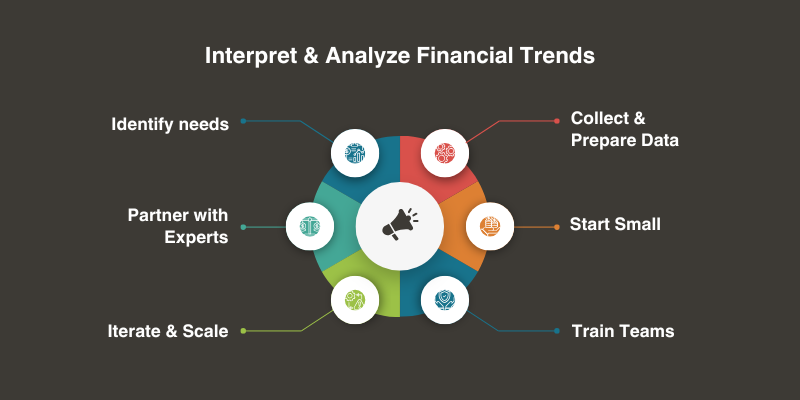
If you are thinking how your business can get started with the machine learning in marketing segment, then below we guide you through it. Read on.
1. Assess Business Needs
Begin by identifying the specific marketing challenges and goals your business wants to address with machine learning. This can involve forecasting client churn, enhancing marketing ROI, or strengthening customer segmentation.
Clearly stating your goals guarantees that you concentrate your efforts on areas where ML may provide observable value. Involve stakeholders to agree on priorities and establish reasonable expectations for what machine learning can accomplish in your marketing plan.
2. Collect & Prepare Data
Gather all relevant marketing data from sources like CRM systems, social media, and website analytics. Ensure the data is high-quality, accurate, and accessible for machine learning models. Data preparation involves cleaning, organizing, and formatting data to remove errors and inconsistencies. This foundational step is crucial, as well-prepared data leads to more reliable and actionable ML insights, ultimately driving better marketing decisions and outcomes.
3. Partner with Experts
Engage a reputable company or seek AI Consulting Services to guide your journey. These experts help assess your needs, recommend the right tools, and manage technical implementation. Their experience ensures your ML initiatives are strategically sound, technically robust, and aligned with your business objectives. Working with professionals minimizes risks, accelerates deployment, and helps you avoid common pitfalls in adopting machine learning for marketing.
4. Start Small
Launch a pilot ML project focused on a single, well-defined marketing goal. Choose a use case with clear objectives and measurable outcomes, such as improving email open rates or optimizing ad targeting. Starting small allows you to test machine learning in a low-risk environment, gather insights, and refine your approach before scaling. Monitor results closely and use feedback to make necessary adjustments for future projects.
5. Iterate & Scale
Evaluate the outcomes of your pilot project and improve your ML models depending on performance and comments. Should the first implementation satisfy your objectives, progressively extend machine learning projects to other marketing domains. Keep an eye on results, refresh models with fresh data, and spread successful tactics throughout the company. This incremental strategy guarantees continuous development and optimizes the long-term effect of machine learning in your marketing initiatives.
6. Train Teams
Invest in upskilling your marketing and technical teams to maximize the benefits of machine learning. Provide training on foundational ML concepts, tools, and best practices, ensuring your staff can effectively use and interpret ML solutions. A well-trained team is more adaptable, confident, and capable of leveraging machine learning for better marketing results. Continuous learning fosters innovation and helps your organization stay competitive as AI technologies evolve.
The Future Trends of Machine Learning in Marketing
Machine learning in marketing is evolving to be more interactive and tailored than before. Hyper-personalization will allow businesses to deliver real-time, context-aware experiences across all customer touchpoints, making marketing messages more relevant and engaging. This implies that at the appropriate time consumers will get offers and material specifically suited to their needs and interests.
Machine learning-driven voice and visual search are altering how consumers discover things. Rather than entering keywords, customers will search using their voice or photos, hence speeding up and simplifying the buying process. Marketers will have to maximize their plans to remain prominent in these new kinds of searches under this change.
Another interesting development is AI-driven creativity, which enables marketers to produce ideas, designs, and material more quickly using generative artificial intelligence tools. By automating mundane activities and motivating new ideas, these tools will help creative teams to produce more interesting and powerful ads.
At last, by means of sophisticated attribution models, machine learning will enhance the way marketers gauge performance. These models will offer more in-depth analysis of how various channels support campaign performance. Simultaneously, ethical artificial intelligence and privacy will receive more attention, guaranteeing that machine learning solutions are open, equitable, and respect regulations on client data protection.

How A3Logics is Revolutionizing Marketing with Machine Learning
By using machine learning to enable companies reach better, data-driven outcomes, A3Logics is changing the marketing scene. Leading in artificial intelligence development, A3Logics helps businesses to better know their consumers with sophisticated segmentation and targeting. Their analysis of large volumes of consumer data helps companies to target the correct audience with tailored communications, hence enhancing campaign performance and involvement.
It also creates automated content solutions and recommendation engines using machine learning, guaranteeing that every customer contact is pertinent and customized to personal preferences.
A3Logics, a reputable machine learning development company, provides thorough AI consultancy to help customers navigate all phases of their machine learning path. A3Logics guarantees smooth integration of artificial intelligence into current processes from deployment and continuous optimization to strategy and data preparation. Their dedication to ongoing support and quantifiable outcomes provides companies a consistent competitive advantage in the digital market of today.
Final Take
This shows how machine learning in marketing is quite an interesting concept in today’s market and can help businesses. In fact it is a perfect way to thrive in the data driven world and make proper decisions. It allows businesses to benefit from campaign automation, real-time personalization according to the customer’s needs. If you are looking for experts to help you with the right applications of ML in marketing, then you can always consider connecting with the experts at A3Logics. You get professionals at work to assist you with a smooth transition. Consult now!