
In the fast-paced world of software development, it’s important for everyone involved to be on the same page and understand what they need to do in order to make a successful product. The Functional Specification Document is one of the best tools for doing this.
Surveys of the industry show that about 70% of software projects fail due to unclear or insufficient requirements. This shows how important it is to have complete documentation to close the gap between what the client wants and what the IT team can do.
Knowing how to write a functional specification document can greatly improve the results of your projects, cut down on misconceptions, and speed up development cycles, whether you are a startup or a big company. In this article, we’ll talk about what a functional specification document is, why it’s important, and how to write one that can help your software project succeed.
Functional Specification Document: An Overview
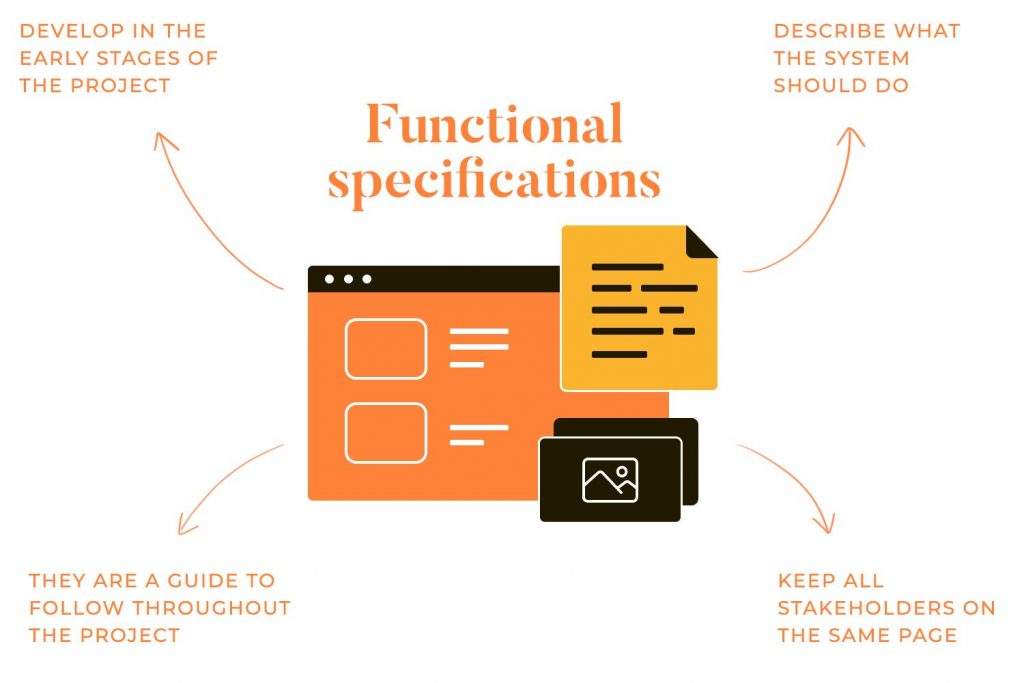
A Functional Specification Document (FSD) is a detailed plan that shows how a software system should work, what features it should include, and how users should interact with it. To create functional specification document for software development is different from technical specifications because it doesn’t go into detail on coding standards and architecture. Instead, it tells you what the system should accomplish, not how it should be created.
It turns business needs into clear, useful features that everyone can agree on, including stakeholders, designers, and developers. TechTarget says that the FSD is important for making sure that everyone working on the project has the same idea of what the product’s goals and features are.
Studies demonstrate that projects with clear functional specification documents are 50% more likely to finish on time and within budget. The software product specification document is an important part of making sure quality, user satisfaction, and project success.
How to Create a Functional Specification Document?
To create functional specification document is a methodical way to make sure that all needs are met and stated clearly. Every stage is important for making a complete and useful FSD for your software project.
Define the Purpose
Start by explicitly stating what your functional specification paper is for. This part should explain why the document is being made and what the final aims are. A clear purpose brings everyone together and sets the tone for the rest of the paper. It helps everyone comprehend what the software product specification document is trying to do for the business and the users.
Gather Requirements
Get detailed requirements from all the people who need them, such as clients, end users, and internal teams. This process includes interviews, surveys, and workshops to make sure that the functional specification document for software development covers all of the important needs. Comprehensive requirement collection minimizes the likelihood of overlooking critical features and aids in prioritizing functions.
Write User Stories
User stories turn requirements into real-life situations that show how people will use the technology. Every story should be about a certain user objective and the value it brings. Adding user stories to your functional specification document makes it easier for people to understand and keeps the focus on the user during development.
Create Wireframes
Wireframes and other visual aids help people see how the planned system will work. Wireframes are like blueprints for the user interface and experience. They make it easier to find design problems early on. Adding wireframes to your software product specification document makes things clearer and speeds up the feedback process.
List Functional Requirements
This part lists all the things the software needs to be able to do. Every requirement should be easy to understand, able to be tested, and linked to user stories or business needs. A complete set of functional requirements is the most important part of any software development functional specification document. It makes sure that nothing is missed.
Outline Acceptance Criteria
Set the standards that must be completed for each feature to be deemed finished. Acceptance criteria are measurable standards that assist keep the scope of a project from being too big and aid with quality assurance. Adding them to your functional specification document ensures that everyone agrees on what “done” implies for each feature.
Get Feedback
Send the draft functional specification document to stakeholders so they can look it over. Getting feedback early and often helps clear up any confusion and ensures that the document accurately shows what the project is trying to do. This way of working together is very important for making a functional specification document that really fits the needs of users.
Revise and Finalize
Make changes to the document based on comments. To finish the functional specification document for software development, you need to make sure that all of its parts are comprehensive, correct, and accepted by stakeholders. This stage makes the document the only reliable source of information for the project.
Version Control
Keep a record of modifications and updates to the functional specification document by keeping a version history. Version control is important for being open, responsible, and keeping track of changing needs throughout the software development lifecycle.

Why is a Functional Specification Document Important in Project Planning?
A Functional Specification document is very important for project planning because it is the basis for all the work that comes after it. It gives developers, designers, and QA teams a clear path to follow, which cuts down on confusion and the need to do work again.
XenonStack says that projects with strong functional specification documents have fewer problems with time and money. The text also serves as a guide for managing change, assessing risk, and talking to stakeholders. Organizations may make sure everyone is on the same page, use their resources better, and make the project more predictable by taking the effort to write a functional specification document.
In short, the software product specification document is a strategic tool that helps a project succeed from start to finish.
Functional Specification Document Template for Software Development
To make a functional specification document that is both complete and easy to use, you need a well-organized template. The following is a common template that top custom software development companies and software development consulting services employ.
Title Page
The project name, document title, author(s), date, and version number are all on the title page. This information makes it easy to find and follow the functional specification document.
Document Version & History
This part keeps track of all the modifications made to the document, such as version numbers, dates, and descriptions of the changes. Keeping track of the many versions of the software product specification document is very important.
Project Overview
Give a brief overview of the project, including its history, goals, and main players. The overview gives the rest of the functional specification document for software development a context.
Purpose & Objectives
Clearly explain what the software is for and what goals it is trying to reach. This part gets everyone on the project team and all the stakeholders on the same page about the project’s aims.
Scope
Say what is and isn’t part of the project. A clear scope in the functional specification document helps keep expectations in check and stops scope creep.
Assumptions & Constraints
List any assumptions made during planning and any limitations that could affect the project, such as technical issues or rules that must be followed.
User Personas
Tell us about the main people who will use the program, what they need, and what problems they have. User personas make guarantees that the functional specification document stays focused on the user.
Functional Requirements
List all the things the software must do and how it must work. Every demand needs to be clear, quantifiable, and connected to corporate goals.
User Interface Design (Wireframes)
Add wireframes or mockups to show what the proposed user interface will look like. Visual aids in the software product specification document assist connect the design and development stages.
Acceptance Criteria
Establish the criteria that must be fulfilled for each feature to be regarded as complete and prepared for deployment.
Glossary
To make sure that everyone can understand the text, define any technical terminology, acronyms, or jargon that are used.
Appendices
Add any supporting resources that make the functional specification document better, including data models, process flows, or reference documents.
Who is Responsible for Creating the Functional Specification Document for Software Development?
A group of people usually works together to generate a functional specification document for software development. Each job adds its own knowledge and point of view to the process, which makes sure that the document is well-rounded and useful.
- Company Analysts: Collect and analyze requirements, turning company demands into functional specifications.
- Product Owners: Set priorities and make sure the document fits with the goals of the business.
- Developers: Give technical advice and check to see if suggested features are possible.
- QA/Testers: Make sure that the requirements can be tested and set the standards for acceptability.
- Clients: Give feedback and make sure that the functional specification paper fits their needs.
Real-World Examples of Functional Specification Documents
Many different kinds of businesses utilize functional specification documents to make sure that software development goes well. Here are some instances from the real world:
- Banking Apps: FSDs explain how to log in safely, how to do transactions, and what rules you need to follow.
- E-commerce Platforms: The documents say how to maintain the product catalog, how the shopping cart should work, and how to connect to a payment gateway.
- Healthcare Systems: FSDs explain how to maintain patient data, make appointments, and follow the rules.
- Travel Apps: Functional specification docs explain how to schedule trips, maintain itineraries, and provide notifications to users.
Tools to Help You Create a Functional Specification Document
Using the correct tools can make it easier to write a functional specification document and help team members work together better.
- Microsoft Word or Google Docs: Great for making and sharing traditional templates.
- Lucidchart or Figma: Good for making wireframes and pictures.
- Confluence or Notion: Let people work together to edit and get updates in real time.
- Jira makes it easier to connect user stories, requirements, and measure progress.
- Draw.io: A tool that helps you make flowcharts and system diagrams.
Common Mistakes to Avoid When Creating an FSD
Even teams with a lot of experience might make mistakes while writing a functional specification document. Not making these mistakes will make the FSD work better and be more reliable.
- Lack of Clarity: Unclear language might cause misunderstandings and mistakes.
- Incomplete Requirements: If you don’t include all the specifics, you can miss features or allow the project to grow too big.
- Ignoring User Feedback: Not taking into account what users say can make them unhappy.
- Bad version control: Not keeping track of changes can lead to confusion and things not being in sync.
- Making the paper too complicated: Too much detail might make it hard to use and keep up with the functional specification paper.
Future-Proof Your Projects with A3Logics’ Software Product Specification Document Strategy
A3Logics stresses how important it is to have a strong approach for software product specification documents to make sure your projects last. Organizations may make sure that their functional specification document stays useful and flexible to changing demands by following best practices for obtaining requirements, working with stakeholders, and controlling versions. This proactive strategy reduces risks, speeds up development, and improves product quality, which is why it is such an important part of effective software development services.
Final Thought
A Functional Specification Document that is well-made is not simply a formality; it is a strategic asset that helps your software project get from idea to completion. No matter if you’re working with a Custom Software Development Company or managing a team in-house, taking the time to write a functional specification document will help you in many ways, including making things clearer, more efficient, and better quality. If you follow the methods and best practices in this book, you can be sure that your software product specification document will be a solid base for new ideas and success.